Ethiopia is a country of extraordinary diversity, where ancient history, stunning landscapes, unique cultures, and unforgettable adventures come together. From historic cities and ancient churches to dramatic mountains and desert landscapes, Ethiopia offers incredible experiences for every type of traveler.
- Lalibela – The Wonder of Rock-Hewn Churches
Lalibela is one of Ethiopia’s most famous destinations and a UNESCO World Heritage Site. The city is home to remarkable churches carved directly into volcanic rock more than 900 years ago. Visitors can explore these sacred places and experience Ethiopia’s deep religious and cultural heritage.
- Danakil Depression – A Journey to Another Planet
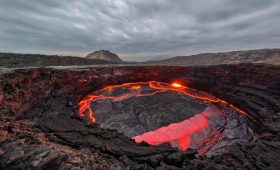
The Danakil Depression is one of the hottest and most unusual places on Earth. Travelers can discover colorful landscapes, salt lakes, volcanic areas, and the famous Dallol hydrothermal fields. It is an unforgettable adventure for those seeking something truly unique.
- Tigray and the Gheralta Mountains
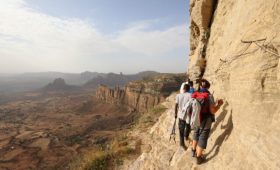
Northern Ethiopia’s Tigray region is famous for dramatic mountains, ancient cliff churches, and breathtaking scenery. The famous Abune Yemata Guh church, located high on a cliff, offers one of the most memorable experiences in Ethiopia.
- Simien Mountains National Park
Known as the “Roof of Africa,” the Simien Mountains offer spectacular trekking routes, deep valleys, and incredible wildlife. Visitors may see the Ethiopian wolf, gelada monkeys, and stunning mountain landscapes.
- Gondar – The Camelot of Africa
Gondar is famous for its royal castles, ancient churches, and rich history. The Royal Enclosure and Debre Berhan Selassie Church are among Ethiopia’s most impressive historical sites.
- Bahir Dar and Lake Tana
Bahir Dar is a beautiful city located near Lake Tana, Ethiopia’s largest lake. Visitors can take boat trips to ancient monasteries and enjoy views of the famous Blue Nile Falls.
- Axum – The Ancient Kingdom
Axum was once the center of one of Africa’s greatest civilizations. Travelers can discover ancient obelisks, archaeological sites, and the history of the Axumite Kingdom.
- Omo Valley – Cultural Diversity
The Omo Valley is home to many unique communities with rich traditions, colorful ceremonies, and fascinating cultures. It offers travelers an opportunity to learn about Ethiopia’s incredible diversity.
- Addis Ababa – The Capital City
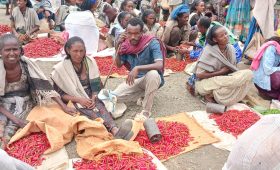
Addis Ababa is the starting point for many Ethiopian adventures. Visitors can explore museums, markets, traditional restaurants, and experience the modern side of Ethiopia.
- Harar – The Historic Walled City
Harar is famous for its ancient walls, colorful streets, traditional houses, and unique cultural heritage. It is one of Ethiopia’s most charming destinations.
- Bale Mountains
The Bale Mountains are perfect for nature lovers and adventure travelers. The region offers beautiful landscapes, trekking opportunities, and unique wildlife.
- Awash National Park
Awash National Park is known for wildlife, waterfalls, and beautiful scenery. Visitors can enjoy nature, photography, and views of the dramatic Awash River gorge.
- Lake Abaya and Arba Minch
Arba Minch is known for its beautiful lakes, mountain views, and nearby national parks. It is an excellent destination for nature and cultural experiences.
- Konso Cultural Landscape
Konso is famous for its traditional villages, stone terraces, and unique cultural heritage. It shows the remarkable connection between Ethiopian communities and their environment.
- The Afar Region
The Afar region offers some of Ethiopia’s most extreme and fascinating landscapes, including volcanoes, salt caravans, and desert adventures.
Explore Ethiopia with Grande Tigrai Tours
At Grande Tigrai Tours, we organize unforgettable journeys throughout Ethiopia. From historical sites and cultural experiences to trekking and adventure tours, our local team helps travelers discover the beauty and diversity of Ethiopia safely and comfortably.
Start planning your Ethiopian adventure with Grande Tigrai Tours and experience the country’s hidden treasures.I will continue with blog post 3: “The Ultimate Guide to the Danakil Depression” next.